What Happens If You Skip ADAS Calibration After Windshield Replacement
So you just got your windshield replaced. The tech finishes up, hands you the paperwork, and mentions something about ADAS calibration. Says it’ll cost extra. Says your car needs it.
You’re already running late. The new glass looks fine. Everything seems normal. Do you really need to spend more money on something you’ve never heard of?
Short answer: yes. And here’s why skipping it is a bigger deal than most people realize.
What Is ADAS and Why Does It Live Behind Your Windshield
ADAS stands for Advanced Driver Assistance Systems. It’s the umbrella term for all those safety features that help you avoid accidents.
Lane departure warning. Forward collision alert. Automatic emergency braking. Adaptive cruise control. Lane keep assist. The stuff that beeps at you when you drift out of your lane or get too close to the car ahead.
Most of these systems rely on a small camera mounted behind your rearview mirror. That camera looks through your windshield to see the road, the lines, the cars around you.
Here’s the thing. That camera was calibrated to work with your original windshield. The angle, the curvature, the way light passes through the glass—it was all set up at the factory.
When you replace the windshield, even if the new glass looks identical, the camera’s view changes. And if you don’t recalibrate it, the camera doesn’t know that. It’s still working off the old settings.
What Actually Happens When You Skip Calibration
This is where it gets real.
When the camera angle is off, even by a tiny amount, your safety systems start making mistakes. We’re talking fractions of a degree causing real problems.
Your lane departure warning might go off when you’re perfectly centered. Or worse, it might stay silent when you’re actually drifting into another lane.
Automatic emergency braking could trigger too late. Or too early. Imagine your car slamming the brakes on the highway because it misjudged the distance to the car ahead. That’s not a hypothetical. It happens.
Adaptive cruise control might not maintain the right following distance. It could think you’re farther from the next car than you actually are.
And the worst case? The system fails completely when you actually need it. You’re distracted for a second, the car ahead stops suddenly, and that automatic braking you were counting on doesn’t kick in.
There’s also a liability angle here. If you get into an accident and your ADAS wasn’t calibrated properly after a windshield replacement, that could come up. Insurance companies and lawyers dig into this stuff.
How Do You Know If Your Car Needs Calibration
Not every car needs ADAS calibration. But a lot more cars need it than most people think.
If your vehicle has any of these features, you almost certainly need calibration after a windshield replacement:
- Lane departure warning
- Lane keep assist
- Forward collision warning
- Automatic emergency braking
- Adaptive cruise control
- Traffic sign recognition
Here’s a stat that surprises people. Over 80% of new vehicles sold today have at least one ADAS feature. And it’s not just brand new cars. Many vehicles going back to 2015 or 2016 have windshield-mounted cameras.
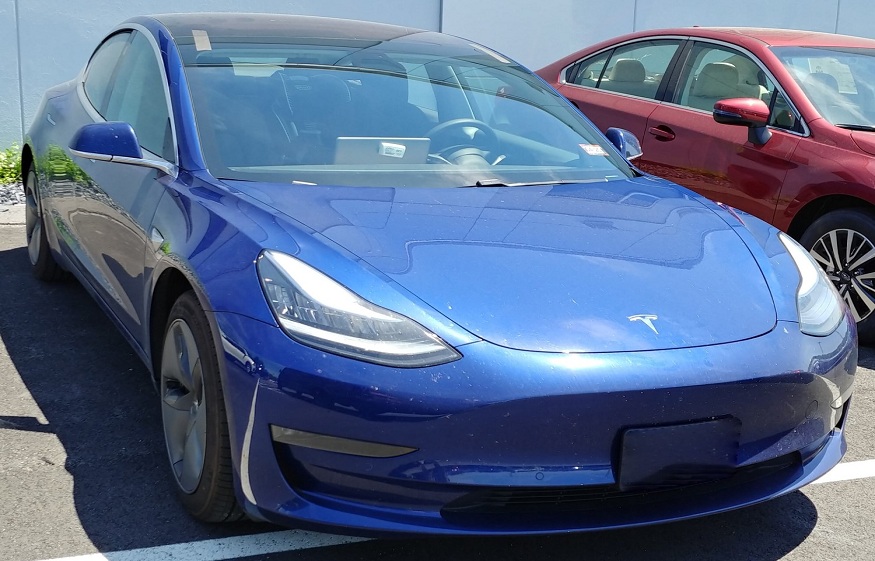
Toyota, Honda, Ford, Subaru, Mazda, Hyundai, Kia, Tesla, BMW, Mercedes, they all have models that require calibration. Tesla windshield replacement is especially tricky because of how many sensors are packed into that glass. Even if you drive a basic trim level, check your owner’s manual or ask your glass tech. You might be surprised.
Static vs Dynamic Calibration – What’s the Difference
There are two main types of ADAS calibration. Some vehicles need one. Some need both.
Static calibration is done in the shop. The technician sets up special targets at precise distances and angles in front of the vehicle. The system uses these targets to reset the camera’s reference points. This requires a controlled environment and specialized equipment.
Dynamic calibration is done by driving. The technician takes the car out on the road at specific speeds, usually on a highway with clear lane markings. The system recalibrates itself by reading real-world road conditions.
Some vehicles require static only. Some require dynamic only. And some need both, done in a specific order.
This matters because not every auto glass shop can handle both types. If your car needs static calibration and the shop doesn’t have the equipment, they’ll have to send you somewhere else. That adds time and hassle.
How Much Does ADAS Calibration Cost
Let’s talk money.
ADAS calibration typically runs between $150 and $400. The price depends on what kind of vehicle you have, what type of calibration it needs, and where you get it done.
Luxury vehicles and trucks with multiple cameras tend to cost more. Static calibration usually costs more than dynamic because of the equipment involved. Dealerships often charge on the higher end compared to independent shops.
Some auto glass companies bundle calibration into the windshield replacement price. Others list it separately. When you’re getting quotes, ask specifically whether calibration is included. You don’t want surprises at the end.
And yes, compared to a $200 windshield replacement, an extra $200 or $300 for calibration might feel steep. But compare that to the cost of an accident caused by a malfunctioning safety system. There’s no contest.
Does Insurance Cover ADAS Calibration
Usually, yes.
If you have comprehensive coverage that pays for your windshield replacement, calibration is typically covered too. Insurance companies recognize that calibration is part of the job on modern vehicles. It’s not an optional add-on. It’s a necessary step to restore the car to working condition.
Some insurers actually require calibration for vehicles with ADAS. They know the liability risks if those systems aren’t working right.
If you’re looking for windshield replacement in Arizona, Florida, or South Carolina, you’re in luck. These states offer zero deductible coverage for auto glass, and calibration is usually included. But don’t assume. Always confirm with your insurance provider before scheduling service.
Quick tip: when you call your insurance, ask specifically whether ADAS calibration is covered under your glass claim. Get a clear yes or no.
What to Ask Your Auto Glass Shop Before Scheduling
Not all auto glass shops are set up to handle ADAS calibration. Before you book an appointment, ask these questions:
Do you do ADAS calibration in-house? If they send it out, that means extra time and possibly extra cost. A shop that handles everything on-site is more convenient.
What type of calibration does my vehicle need? They should be able to look up your make and model and tell you whether it needs static, dynamic, or both.
Is calibration included in the quote? Get the full price upfront. No surprises.
Do you use OEM or aftermarket glass? This matters for calibration. OEM glass is made to the same specs as your original windshield, which can lead to more accurate calibration results. Aftermarket can work, but quality varies.
How long will the whole job take? Windshield replacement plus calibration usually takes 2 to 3 hours total. If they’re quoting you 45 minutes for a car with ADAS, ask how that’s possible.
Can You Drive Without Calibration
Technically, yes. The car will start. It will drive. You can get from point A to point B.
But your safety systems might not work correctly. And in some cases, they might not work at all.
Some vehicles will throw a dashboard warning light if the ADAS camera isn’t calibrated. That light won’t go away until the calibration is done. Other vehicles might disable certain features entirely until the system is reset.
Even if everything seems fine on the surface, you have no way of knowing whether your lane assist or automatic braking will work when it matters. That’s not a gamble worth taking.
If you’re going to rely on these systems, and most of us do without even thinking about it, they need to work correctly.
Common Questions About ADAS Calibration
How long does calibration take?
Usually 30 minutes to an hour, depending on the vehicle and calibration type. Combined with windshield replacement, expect the whole process to take 2 to 3 hours.
Will my dashboard warning light go off after calibration?
Yes, if the calibration is done correctly. If the light stays on, something wasn’t completed properly.
Can any shop do ADAS calibration?
No. It requires specialized equipment and training. Many shops still don’t have the capability. Always ask before you book.
What if my shop doesn’t offer calibration?
You’ll need to take your car to a dealership or a shop that specializes in ADAS. This adds time and usually costs more than getting it done at the same place as your windshield.
Is aftermarket glass okay for ADAS vehicles?
It can work, but OEM glass is generally the safer choice. OEM matches factory specs, which helps ensure accurate calibration. Aftermarket quality varies widely.
The Bottom Line
Your car’s safety features aren’t just nice to have. They’re designed to protect you when things go wrong. But they only work if they’re set up correctly.
Skipping ADAS calibration to save a couple hundred bucks isn’t worth it. Not when the alternative is a system that might fail exactly when you need it most.
When you’re choosing an auto glass shop, pick one that handles calibration on-site. Ask the right questions. Make sure it’s included in your quote. And don’t drive away until you know your safety systems are working the way they should.