
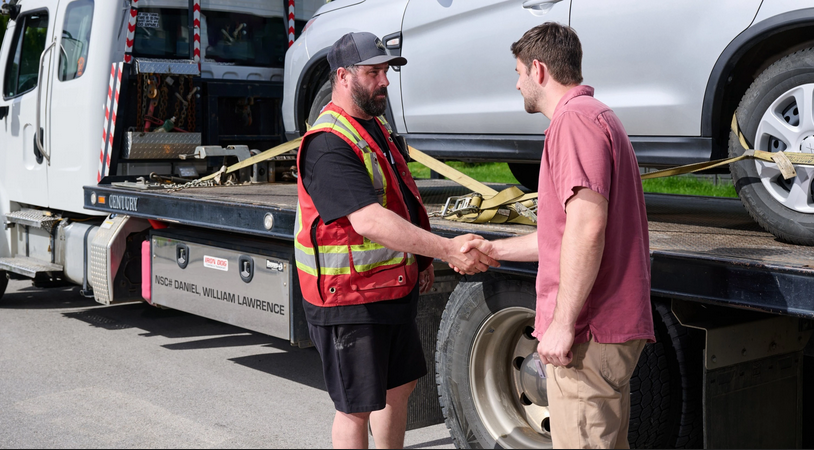
Shipping Two Vehicles at Once in Canada
Plenty of households own more than one vehicle, and a long-distance move rarely leaves room to drive both. One person flies ahead for a new job, the other stays behind to sell the house, and two cars need to end up in the same place. Others are moving a car and a truck, a daily driver and a project car, or a family vehicle and a student’s first car. Shipping two vehicles together is common, but it works a little differently from shipping one.
This guide explains how multi-vehicle shipments are planned, what to tell the shipper, and how to keep the whole process organized.
Why Move Two Vehicles Together
The simplest reason is logistics. Driving two vehicles across the country needs two drivers, two sets of fuel and hotel stops, and several days of coordination. For a household already managing movers, school transfers, and a home sale, that is a lot to add. Shipping both removes the drive entirely.
Timing is another factor. Booking both vehicles in one go means one set of dates to plan around, one point of contact, and a single conversation about pickup and delivery. That is easier than juggling two separate shipments that might arrive on different days and at different times.
Will the Vehicles Travel on the Same Truck
Often they do, but not always. A car carrier holds several vehicles, so two cars from the same address can usually load on the same truck if there is space. Larger vehicles such as pickups, vans, and full-size SUVs take up more room and weight, which can limit what else fits on the load.
Read More: Limo Rentals vs Party Bus Rentals: Which One Fits Your Event Best?
If your vehicles are different sizes, or if one is oversized, the shipper may need to plan equipment carefully. In some cases the two vehicles travel on separate trucks and arrive a day or two apart. Ask the shipper what to expect when you book, and plan your delivery so that someone can receive each vehicle.
What to Tell the Shipper
Clear details make planning easier. For each vehicle, share the make, model, year, and any modifications such as lift kits, roof racks, or oversized tires. Say whether each one runs, and whether either has any mechanical issues. Tell the shipper if the vehicles are going to the same address or to different ones.
Mention the date range you have in mind and whether you can be flexible. A little flexibility on pickup dates can help the shipper find a truck with room for both vehicles. Avoid guessing about vehicle size or condition, since inaccurate details can lead to delays at pickup.
Pickup at the Same Address
Most households ship from one driveway or street. Make sure there is room for the truck to stop, and that both vehicles are ready and accessible. If they are parked behind each other or in a narrow driveway, move them before the driver arrives. In a condo or an apartment, bring both cars to a nearby open spot, since a car carrier cannot enter underground parkades.
If you are moving out the same day, be careful not to schedule pickup at the same time as your moving truck. Both need space and attention, and a crowded street makes everything slower. A buffer of a day between the two is a sensible habit.
Different Pickup or Delivery Locations
Sometimes the vehicles do not start in the same place. A couple might ship one car from a home in Ottawa and another from a parent’s house in Toronto. Ottawa car shipping and a second pickup elsewhere can usually be arranged, but it takes more coordination and may affect timing.
The same is true at the other end. If the vehicles are going to different addresses, tell the shipper early. Delivery to two locations may require extra stops, and it is easier to plan from the start than to change the route mid-trip.
Long Routes and Seasonal Timing
Multi-vehicle shipments are especially useful on long routes, where the savings in time and effort are largest. A route like Toronto to Winnipeg car shipping takes several days for a truck, and handling both cars in one booking keeps the move simple, especially when the delivery address in Winnipeg is the same for both.
Season matters too. Summer and late August are the busiest times, and space for two vehicles on one truck can be harder to find. Winter has fewer shipments, but weather delays are more likely. Booking three or four weeks ahead gives you the best chance of keeping both vehicles on the same schedule.
Preparing Both Vehicles
Preparation is the same as for a single car, but there is twice as much to do. Wash each vehicle so existing marks are easy to see, and photograph every side of both.
- Remove personal items and valuables from both interiors and trunks.
- Keep the fuel level at about a quarter tank in each.
- Check the tires, battery, and brakes on both vehicles.
- Remove toll tags and parking passes.
- Keep separate sets of keys for each vehicle and label them clearly.
- Note any existing damage on each condition report at pickup.
Each vehicle should have its own condition report, signed at pickup and again at delivery. Treating them separately avoids confusion if a question about damage comes up later.
Receiving Both Vehicles at Delivery
At the destination, have someone ready to inspect each vehicle before signing. Walk around both with the driver, compare them against the pickup reports, and note any new damage right away. If you are arriving after the vehicles, ask a trusted person to receive them, or arrange a delivery time you can attend.
Read More: What Happens If You Skip ADAS Calibration After Windshield Replacement
If the two vehicles are arriving on different days, plan where each one will wait. A driveway, a visitor spot, or a storage lot can bridge a short gap. Having a clear plan keeps both cars safe and avoids parking problems.
Insurance and Registration for Two Vehicles
Each vehicle needs its own insurance coverage in transit and its own registration at the destination. If you are moving to a new province, you will need to update both policies, and an inspection may be required for each vehicle. Call your insurer before the move to confirm coverage for both cars, and keep your ownership documents together so the process is quick when they arrive.
Keeping the Move Organized
Shipping two vehicles at once is a practical way to simplify a big move. Share clear details, plan the pickup and delivery locations, prepare both vehicles, and keep each condition report separate. With a bit of coordination, both cars arrive ready for the road.
Frequently Asked Questions
Can two vehicles be shipped on the same truck?
Often yes, if there is space and the sizes allow it. Larger vehicles take more room, so the shipper may need to plan equipment carefully or use separate trucks.
Do I need to book two separate shipments?
Not necessarily. Many shippers can book both vehicles together, which makes scheduling easier. Ask about it when you request a quote.
Can the two vehicles be picked up from different addresses?
Often yes, but it takes more coordination and may affect timing. Tell the shipper about both locations when you book.
Will both vehicles arrive on the same day?
Usually, if they travel on the same truck. If they are on separate trucks, they may arrive a day or two apart, so plan where each vehicle will wait.
Do I need a condition report for each vehicle?
Yes. Each vehicle should have its own report, signed at pickup and delivery, so any question about damage is easy to resolve.